Dear readers,
In our last Newsletter, we introduced the first part of a new Edu-Slides contribution by Dr. Calvillo Batllés from La Fe University and Polytechnic Hospital in Valencia addressing the topic of chest pain and the most reliable diagnostic tool for the assessment of this potentially serious symptom. This led to a comprehensive discussion of the fundamental role of coronary CT angiography (CCTA) in improving the accuracy and robustness of identifying the causes underlying chest pain.
In this issue, we present the second part of the Edu-Slides, where Dr. Calvillo Batllés’s naturally follows up on her previous contribution by addressing another crucial question: after evaluating patients with chest pain using CCTA and identifying the lesions responsible for the symptoms, how should the findings be reported in a structured and comprehensive way?
This second part of the Edu-Slides is designed to guide radiologists through the specific requirements of writing clear and precise reports that can be universally understood by clinicians, while also exploring the current impact and the near future of CCTA in chest pain assessment.
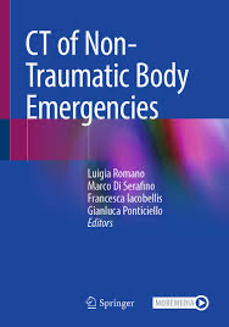
In addition, we have selected a chapter from a very recent book that reinforces the Edu-Slides content by illustrating the latest international guidelines on the use of a CCTA-based diagnostic approach to accurately establish the cause of such a complex and often nonspecific symptom as chest pain. This chapter will further advance your knowledge of standardized interpretation methods and the widely accepted Coronary Artery Disease–Reporting and Data System (CAD-RADS).
Finally, the new clinical case featured below offers an opportunity to try your hand at applying the criteria and guidelines discussed in the Edu-Slides and book chapter and practice detecting the cause of chest pain and accurately incorporating the CCTA findings into a structured report.
As always, we welcome suggestions for future Newsletter topics. Please send your proposals to us at editorial@mdct.net.
From the MDCT.net team